

Disability Inclusion
We strongly believe that disability is not inability.
We believe that every student deserves equal access to quality education and a fulfilling university experience. Guided by the principles of Universal Design for Learning (UDL), our classrooms, facilities, and activities are designed to be inclusive for all students — with or without disability disclosure.
Why Disclose your Disability?
While the University already ensures general accessibility, sharing your disability status helps us provide personalized support such as:
Tailored academic and social accommodations
Access to specialized assistive technologies and services
Connection to peer support groups and student communities
All information shared is confidential and handled according to the University’s Data Protection Policy.
The Disability Inclusion Office
Championing rights, accessibility, and full participation of persons with disabilities across the university ecosystem
The Disability Inclusion Services (DIS) department at USIU-Africa is the university’s authoritative unit mandated to safeguard the rights of persons with disabilities, coordinate reasonable accommodations, and ensure institutional compliance with the Persons with Disabilities Act, 2025 (Kenya) and global higher education accessibility standards.
DIS provides strategic leadership for disability inclusion across the institution, ensuring that students and staff with disabilities experience equitable access, dignity, and full participation in academic and campus life.
1. Policy Oversight, Governance & Compliance
DIS ensures that disability inclusion is embedded in all university systems, policies, and practices.
- Oversee full implementation of the USIU-Africa Disability Inclusion Policy and related institutional frameworks.
- Ensure compliance with the PWD Act 2025, including accessibility, non-discrimination, reasonable accommodation, and rights-based obligations.
- Monitor alignment with global standards such as the UN CRPD, WCAG, Universal Design for Learning (UDL), and ISO accessibility guidelines.
- Recommend policy updates to address emerging disability issues, technological advancements, and evolving legal requirements.
- Provide technical advisory to schools and departments on integrating accessibility into governance and operations.
2. Monitoring, Data Management & Institutional Evaluation
DIS drives evidence-based planning and accountability through structured data systems.
- Develop tools and procedures for tracking disability inclusion across the student lifecycle.
- Collect and analyze data on admission, retention, progression, and graduation of students with disabilities, in line with the PWD Act 2025’s data governance provisions.
- Maintain secure, confidential records on accommodation requests, service provision, and support outcomes.
- Produce periodic institutional reports to inform planning, resource allocation, and continuous improvement.
Support university-wide accessibility audits and readiness assessments.
3. Support, Coordination & Case Management
DIS is the central coordination point for disability-related support and accommodations.
- Serve as the primary contact for students and staff with disabilities seeking support.
- Coordinate reasonable accommodations in collaboration with academic units, ICT, library services, student support offices, and facilities management.
- Notify relevant deans, faculty, and service units of approved accommodations while upholding confidentiality and dignity.
- Track cases, follow up on implementation, and ensure timely resolution of support needs.
- Liaise with parents, guardians, and external support systems where appropriate.
4. Verification, Assessment & Accommodation Planning
DIS ensures that accommodation decisions are fair, consistent, and aligned with legal standards.
- Verify disability documentation and assess individual needs in accordance with the PWD Act 2025 and institutional policy.
- Conduct periodic reviews to adjust accommodations based on academic demands, functional changes, or emerging needs.
- Develop individualized accommodation plans that balance academic integrity with accessibility.
- Provide guidance on assistive technologies, accessible formats, and learning supports.
5. Advocacy, Training & Strategic Partnerships
DIS drives institutional culture change and capacity-building.
- Sensitize the university community on disability rights, accessibility, and inclusive practices.
- Deliver training for faculty, staff, and administrators on Universal Design, inclusive pedagogy, and legal obligations under the PWD Act 2025.
- Build partnerships with government agencies, disability organizations, and global institutions to strengthen expertise and resource networks.
- Conduct and disseminate research on disability inclusion trends, innovations, and best practices.
6. Complaint Management, Safeguarding & Rights Protection
DIS ensures that the rights of persons with disabilities are protected across the institution.
- Receive, document, and investigate complaints related to discrimination, exclusion, or failure to provide reasonable accommodation.
- Work with relevant offices (HR, Legal, Student Affairs, Academic Affairs) to resolve cases promptly and fairly.
- Provide guidance on grievance procedures and ensure alignment with the PWD Act 2025’s anti-discrimination provisions.
- Monitor systemic issues and recommend institutional reforms.
7. Communication, Awareness & Accessible Information
DIS ensures that disability-related information is accessible, accurate, and widely disseminated.
- Share the Disability Inclusion Policy and related guidelines through accessible university communication channels.
- Ensure all information—digital, print, and multimedia—meets accessibility standards.
- Lead continuous awareness initiatives on rights, entitlements, and inclusive practices.
- Collaborate with the Disability Inclusion Resource Center (DIRC) to expand reach, resources, and community engagement.
Strategic Positioning
The Disability Inclusion Services (DIS) Department provides overarching oversight and strategic leadership for the university’s disability inclusion ecosystem.
It works in close partnership with the Disability Inclusion Resource Center (DIRC), which focuses on:
- Capacity-building and institutional training
- Accessibility innovation and assistive technology
- Research, monitoring, and global benchmarking
- Community engagement and awareness initiatives
Our Facilities
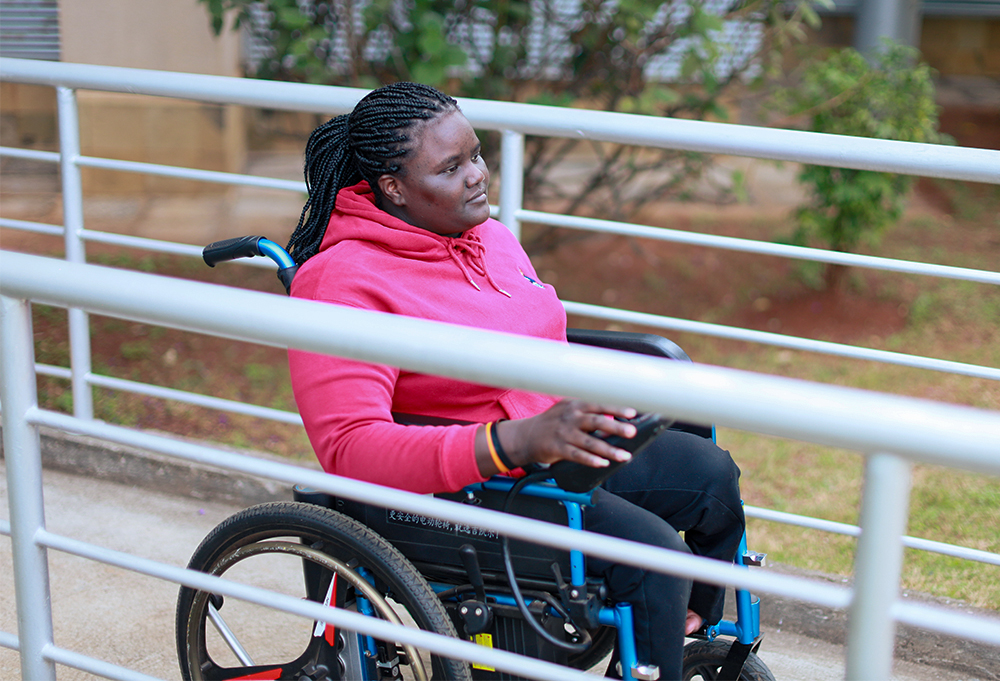
Step-Free Access (Ramps and Elevators)
Every major building on campus is fitted with ramps and elevators, allowing smooth movement for students using wheelchairs or mobility aids.
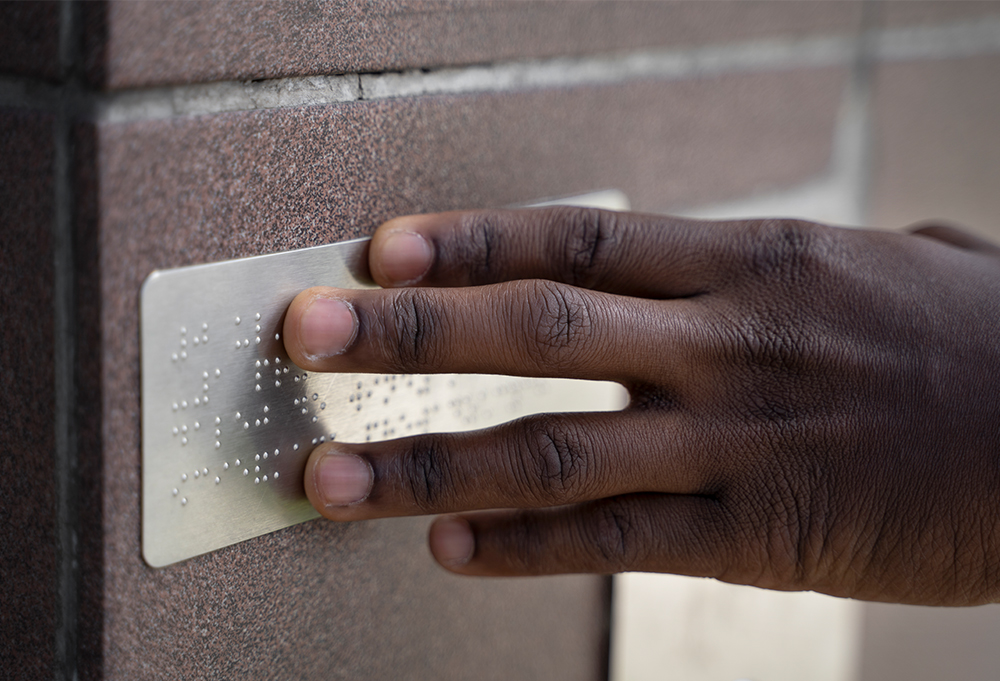
Braille Signage
Key areas across campus feature Braille signage to help visually impaired students navigate classrooms, offices, and facilities independently.
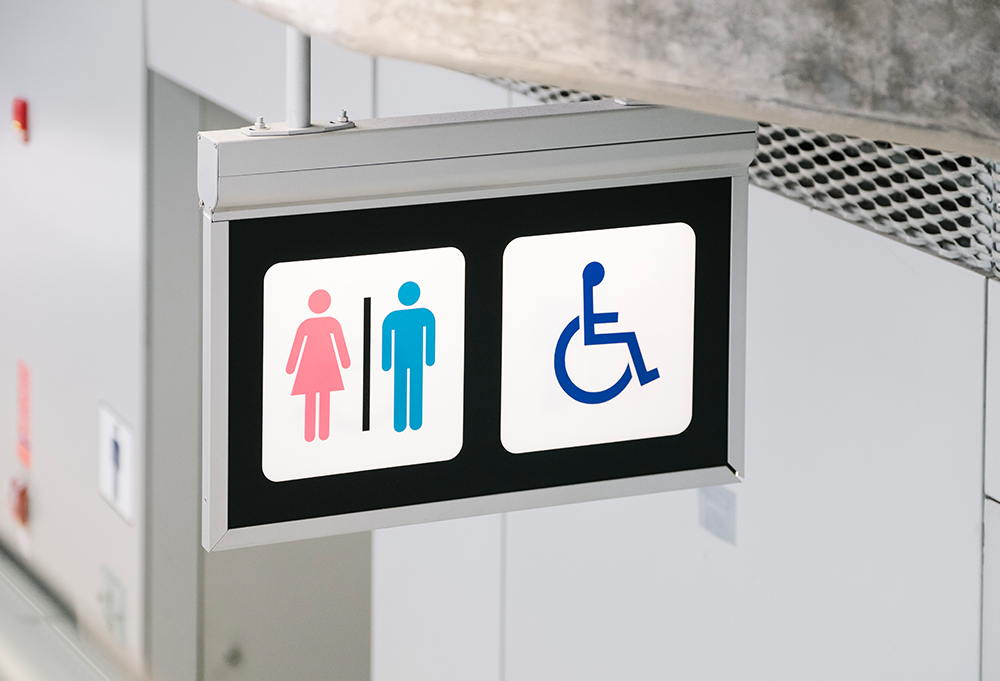
Accessible Restrooms
There are accessible washrooms located across campus, designed with wide doors, support rails, and sufficient space for ease of use.
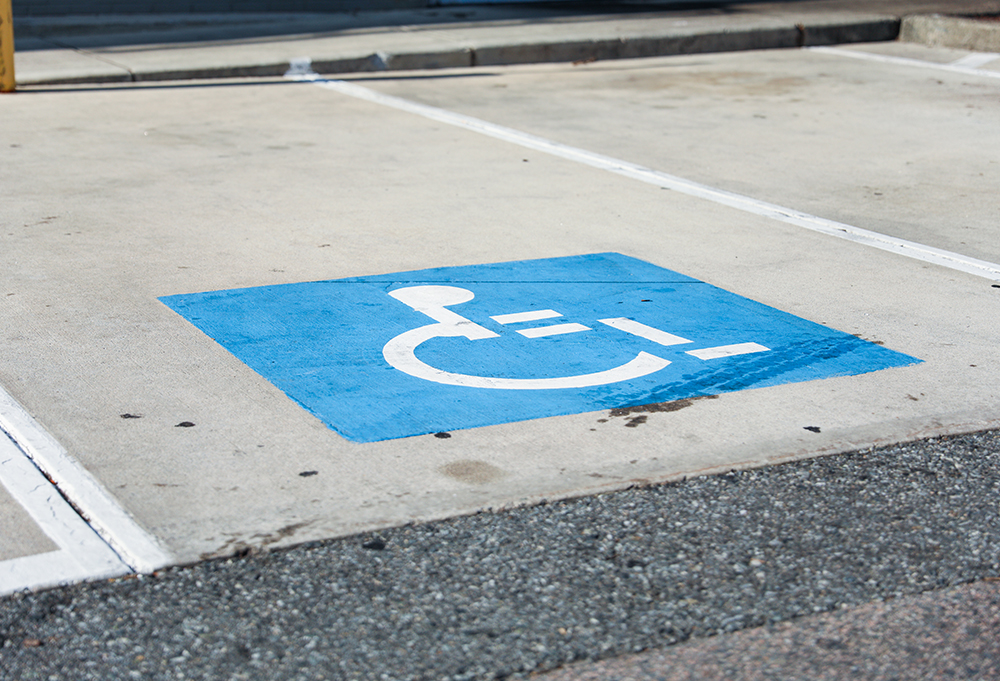
Reserved Parking Spaces
Designated parking spots are conveniently located close to building entrances, ensuring quick and safe access for students with disabilities.
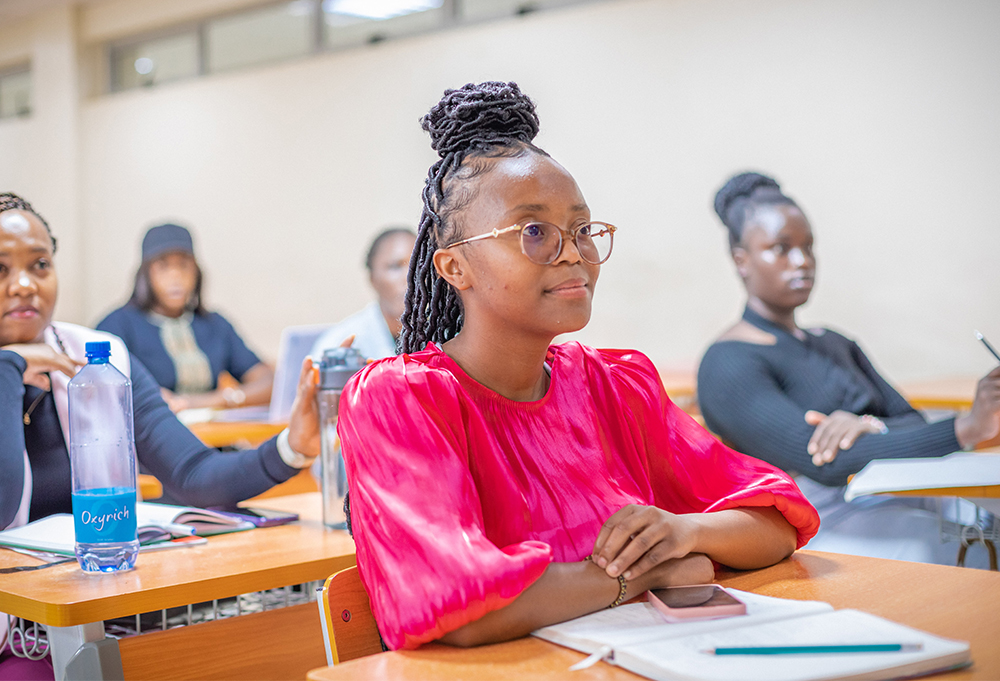
Priority Seating in Lecture Halls
Lecture halls have seats reserved for students with disabilities, ensuring clear visibility, easy access, and comfortable participation in class.
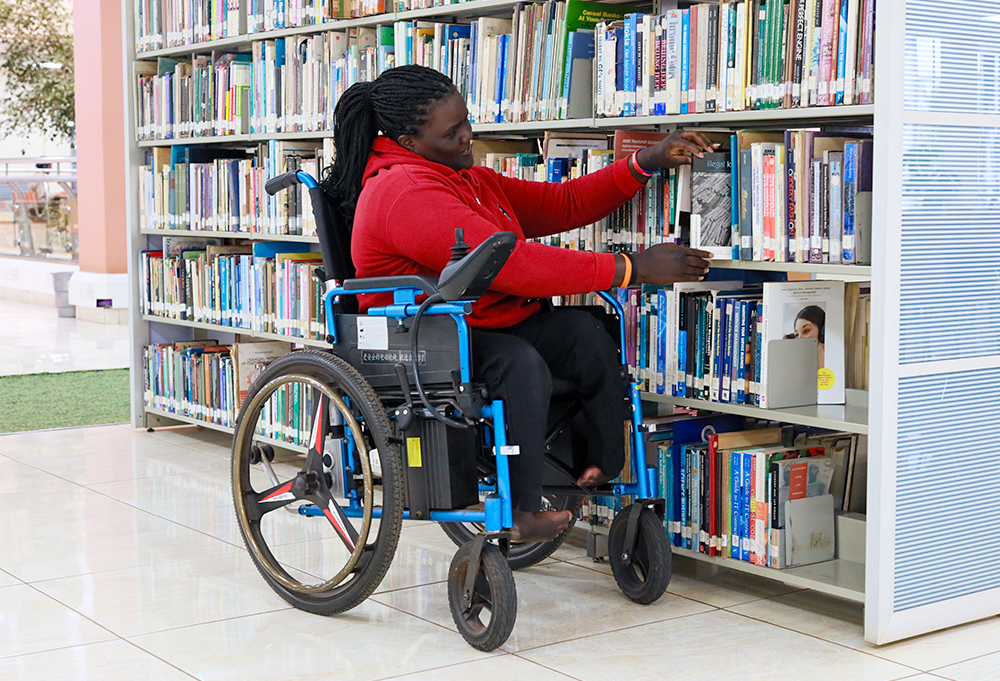
Library Assistive Technologies
The library provides a range of assistive tools such as screen readers, magnifiers, and accessible digital resources to support diverse learning needs.
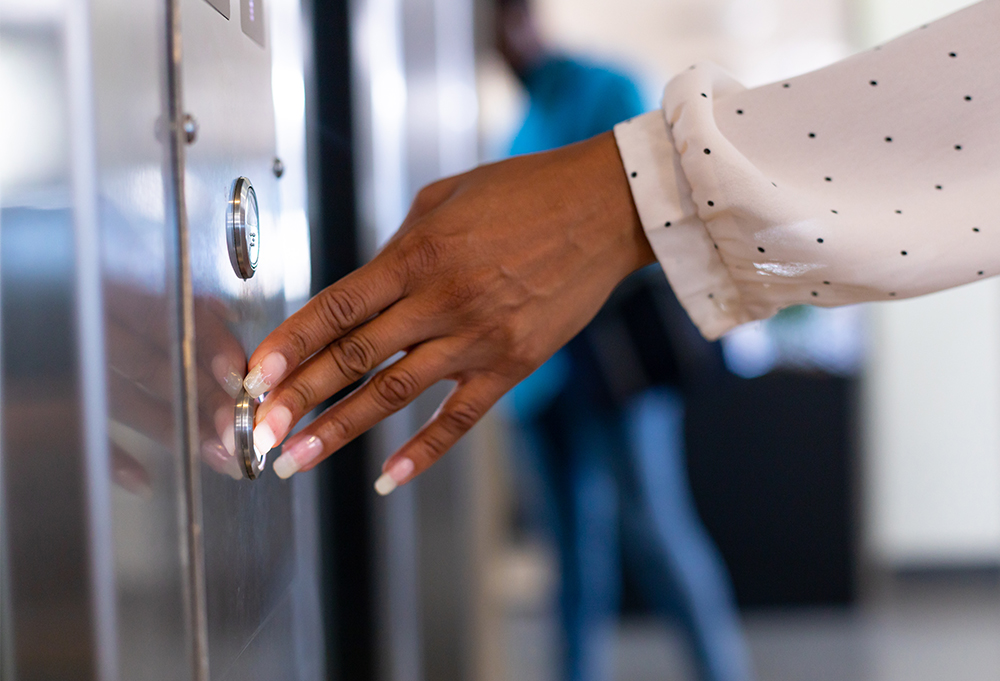
Elevators With Audio Talkback
Elevators are equipped with audio talkback systems to guide visually impaired users to enhance independent mobility around campus.
Support Services
The Disability Inclusion Office provides ongoing support to ensure equal participation in all aspects of campus life:
Academic accommodations (note-taking, exam adjustments, assistive devices)
Guidance and referrals to counseling and psychosocial services
Case management and coordination with other departments
Disability awareness training for faculty and staff
Peer support and networking opportunities
Disability Inclusion Resource Center (DIRC)
About the Center
The Disability Inclusion Resource Center (DIRC) is the university’s hub for accessibility innovation, capacity-building, and community empowerment. Working in close partnership with the Disability Inclusion Office (DIO), DIRC strengthens institutional readiness, expands access to knowledge and technology, and cultivates a culture where inclusion is understood, valued, and embedded across all units.
DIRC exists to elevate the university’s disability inclusion ecosystem to global standards—through research, training, technology, and strategic engagement.
What We Offer
1. Information & Resource Hub
Your gateway to accessible knowledge and global best practices.
- Accessible materials in braille, large print, audio, video, and digital formats
- Evidence-based guidance on inclusive design, assistive technologies, and international accessibility standards
- Resources aligned with the UN CRPD, WCAG, UDL, and national legislation
2. Training & Capacity Building
Building institutional excellence through knowledge and skills.
- Workshops on Universal Design, inclusive pedagogy, and accessibility compliance
- Leadership development for faculty, administrators, and staff
- Departmental support to integrate accessibility into systems, workflows, and service delivery
3. Assistive Technology & Innovation Lab
A space to explore, test, and innovate.
- Hands-on access to emerging assistive technologies
- Piloting of new tools that enhance learning, communication, and digital engagement
- Support for students and staff seeking technology that promotes independence and success
4. Community Engagement & Advocacy
Strengthening belonging and shared responsibility.
- Student and staff forums, peer mentorship programs, and inclusion-focused clubs
- Awareness campaigns that promote dignity, accessibility, and inclusive culture
- Cross-campus partnerships that advance collective leadership in disability inclusion
5. Monitoring, Research & Global Benchmarking
Driving evidence-based decision-making and continuous improvement.
- Data collection on accessibility needs and institutional readiness (in collaboration with DIO)
- Research on global trends, emerging practices, and policy developments
- Evaluation of training, campaigns, and interventions to inform strategic planning
6. Our Strategic Positioning
DIRC does not manage disability disclosure or coordinate individual accommodations. These responsibilities remain under the authoritative mandate of the Disability Inclusion Office (DIO).
DIRC’s role is to:
- Build capacity across academic, administrative, and digital units
- Empower stakeholders with tools, knowledge, and skills
- Drive innovation through technology, research, and global benchmarking
- Amplify institutional impact through culture change and community engagement
DIRC is the university’s catalyst for sustainable, system-wide disability inclusion—anchored in global standards, powered by innovation, and committed to equity for all.
Reporting Accessibility or Discrimination Issues
If you face an accessibility challenge or discrimination:
Report the issue to the Disability Inclusion Office.
The Office will log your case and coordinate with relevant departments.
For urgent matters, you can also contact the Dean of Students Office.
Inclusion is a shared responsibility across the University.
Student Life & Inclusion
Students with disabilities are fully encouraged to participate in:
Clubs and leadership programs
Adaptive and para sports
All campus events and social activities
Our goal is to make every experience at USIU-Africa inclusive, accessible, and empowering.
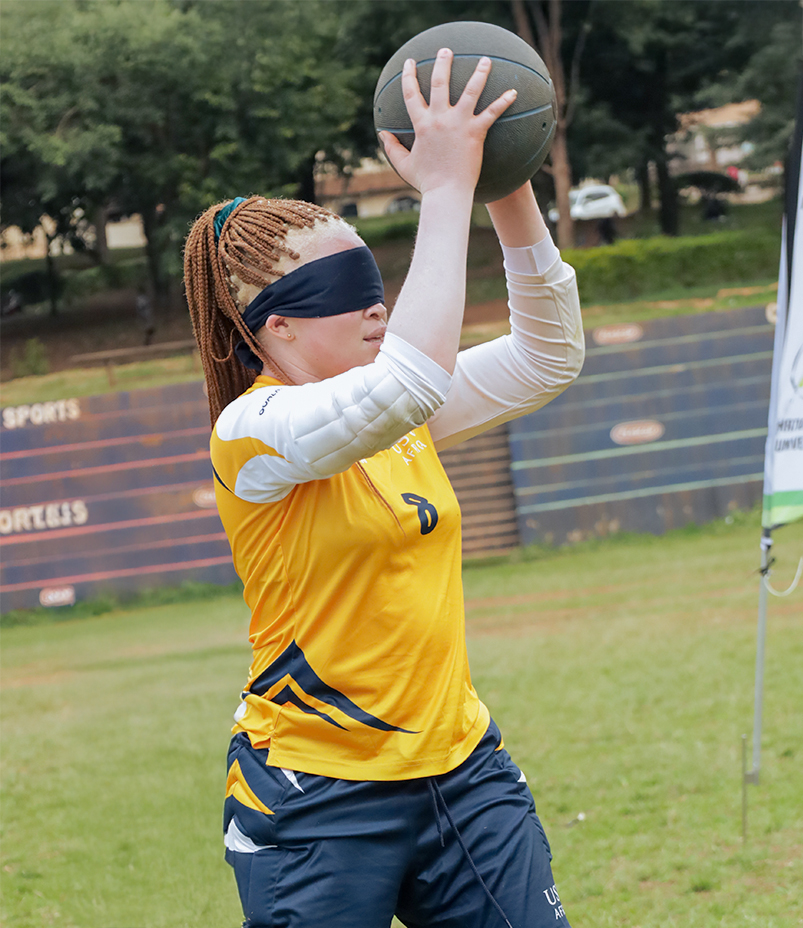
Support for Prospective Students
If you’re applying to USIU-Africa and have a disability, you can expect:
Guidance during admissions and documentation
Orientation sessions with accessibility tours
An individualized accommodation plan once enrolled
Continued academic and social support throughout your journey
How to Request Accommodations
Complete the Self-Disclosure Form (available online or from the Disability Inclusion Office / Inclusion Resource Center).
Attach medical or assessment documents.
Meet with the Disability Inclusion Office to create your accommodation plan.
Plans are reviewed regularly to ensure they meet your needs.
Reach Us
Office of Disability Inclusion Services at USIU-Africa
Freida Brown Student Center | QVMH+P3J | Ground Floor
Academic Year Hours: Monday to Friday, 8:30 am to 5.00 pm (EAT)
All disability disclosures comply with the University’s Data Protection Policy. Your information is shared only with authorized staff directly involved in your support.
Important Documents
