
By Veronicah Kaluyu
Cornell University, USIU-Africa, AIID Africa, and Wowzi officially recently launched the SMART Project. Under the theme “Advancing Education and Career Mobility in a Digital Space,” this unique quad-partnership sets out to tackle some of Kenya’s most pressing developmental challenges through multidisciplinary, community-engaged innovation.
The initiative is spearheaded by Professor Fridah Mubichi-Kut, Executive Director of SMART at Cornell SC Johnson College of Business and College of Agriculture and Life Sciences, alongside USIU-Africa’s Dr. Veronicah Kaluyu and Dr. Mary Mutisya from the Chandaria School of Business, and Dr. Hassan Bashir, representing both AIID Africa and Wowzi as a key industry and innovation partners. Together, they have designed a program that moves learning beyond the lecture hall and into the field.
To kick off the project, the SMART team—comprising students and faculty from Cornell and USIU-Africa—traveled to Nanyuki for an intensive community-engagement phase where they met with communities living within and around conservancies such as Northern Rangelands Trust (NRT) and NKRCP to collect firsthand data on the realities of ecotourism, carbon sequestration, and local commerce. These interactions were vital to grounding the project in local context. Students listened to farmers, conservationists, and small business owners to articulate the specific challenges and gaps related to understanding barriers to community-benefit tourism and digital adoption, learning about existing farming practices and incentives for climate-smart agriculture, and identifying how micro-influencers and digital platforms can better serve local enterprises.
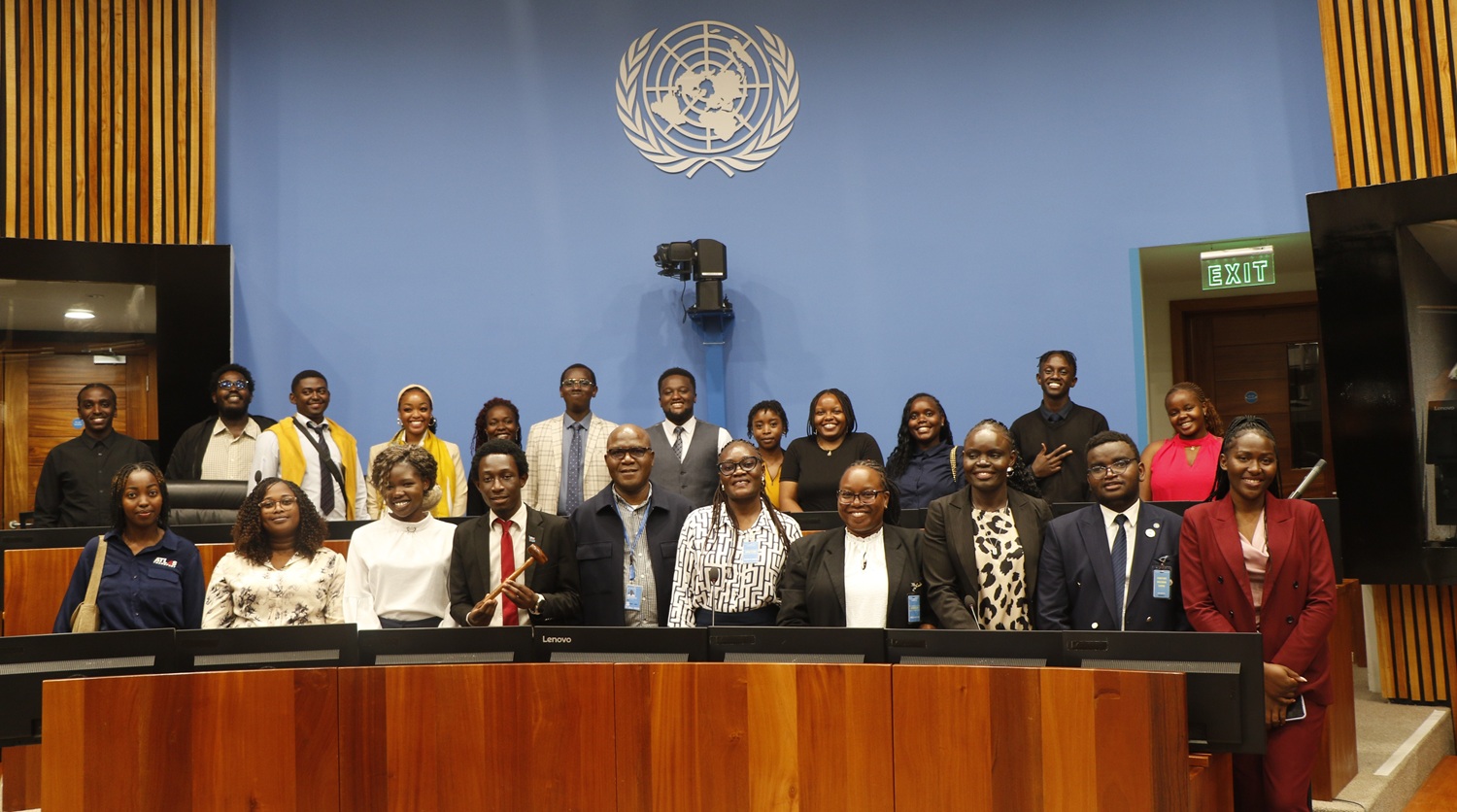
In addition to community visits, the team held roundtable discussions with several key organizations in Nairobi, including AIID Africa & Wowzi who spearheaded a discussion on exploring data-driven platforms for climate and commerce, Nairobi Securities Exchange who highlighted green finance and impact investment mechanisms, and the United Nations Environment Programme (UNEP) who focused on sustainability frameworks and SDG alignment. These sessions provided students with macro-level perspectives on policy, investment, and innovation ecosystems.
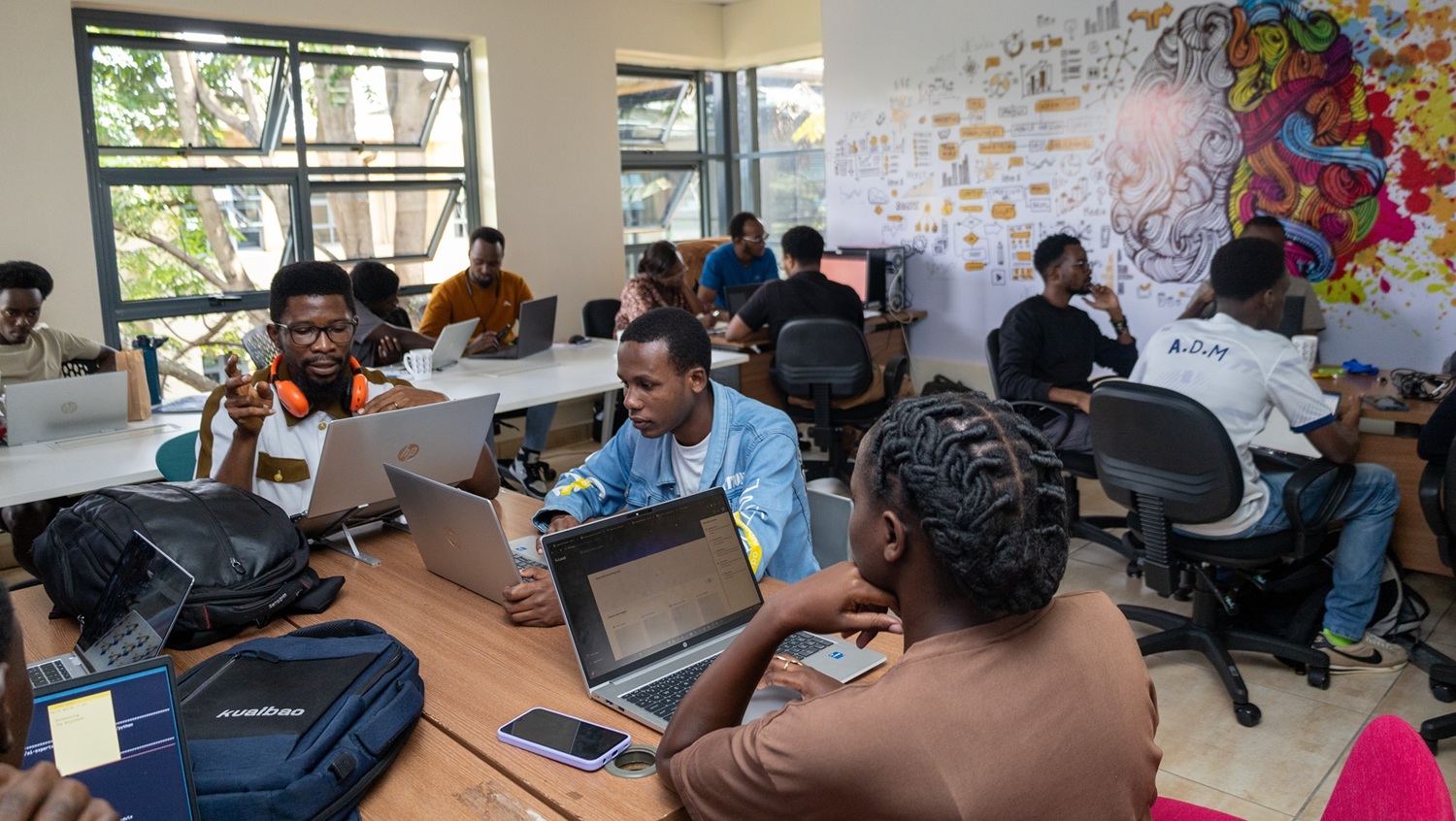
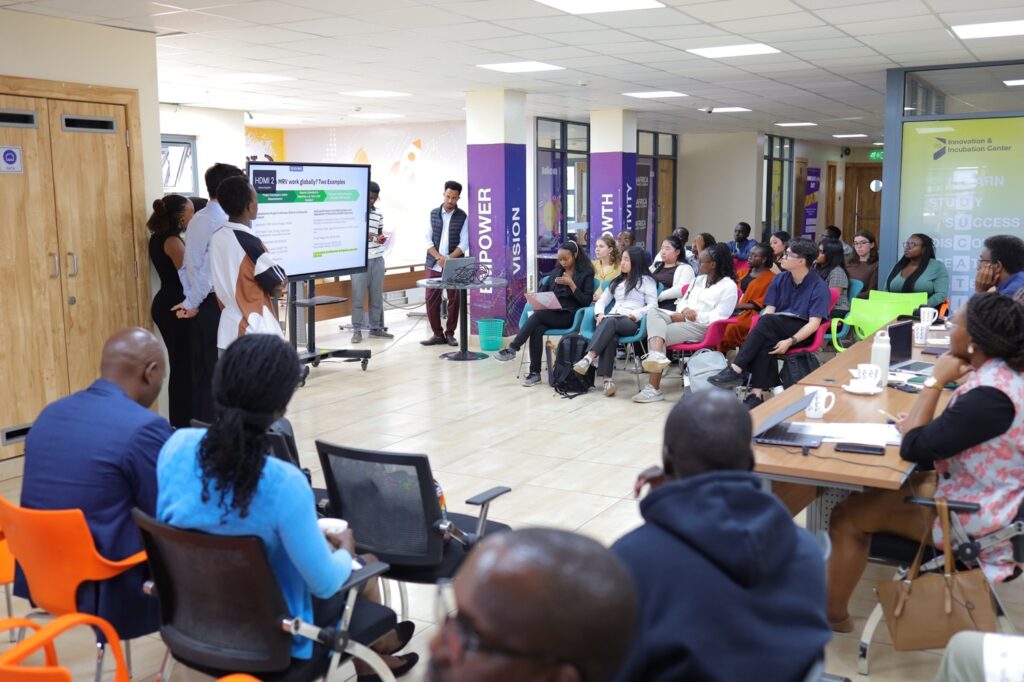
The field and industry insights directly fueled the SMART Hackathon, held at the Innovation & Incubation center where student teams worked collaboratively to develop actionable, innovative solutions aligned with the three challenge areas: Carbon Sequestration Database, proposing AI-enhanced tools for tracking and incentivizing carbon capture; an Ecotourism Digital Strategy, designing platforms that connect travelers with low-impact, community-based experiences and a Social Commerce Expansion Model, creating influencer-driven campaigns to grow market access for SMEs. Winning ideas were selected based on feasibility, sustainability, and potential for community impact and the students were awarded with certificates.
The SMART initiative represents more than a one-off project, it is a template for how academia and industry can co-create with communities. As Professor Fridah Mubichi-Kut reflected: “We are building a pipeline of compassionate innovators. The solutions presented at the hackathon didn’t come from a textbook—they came from the voices of the communities.” Dr. Veronicah Kaluyu added: “USIU-Africa is proud to be an anchor institution in this innovative project. Our students are not just participants; they are emerging as thought leaders in sustainable development.”