
By Legal Digest Team
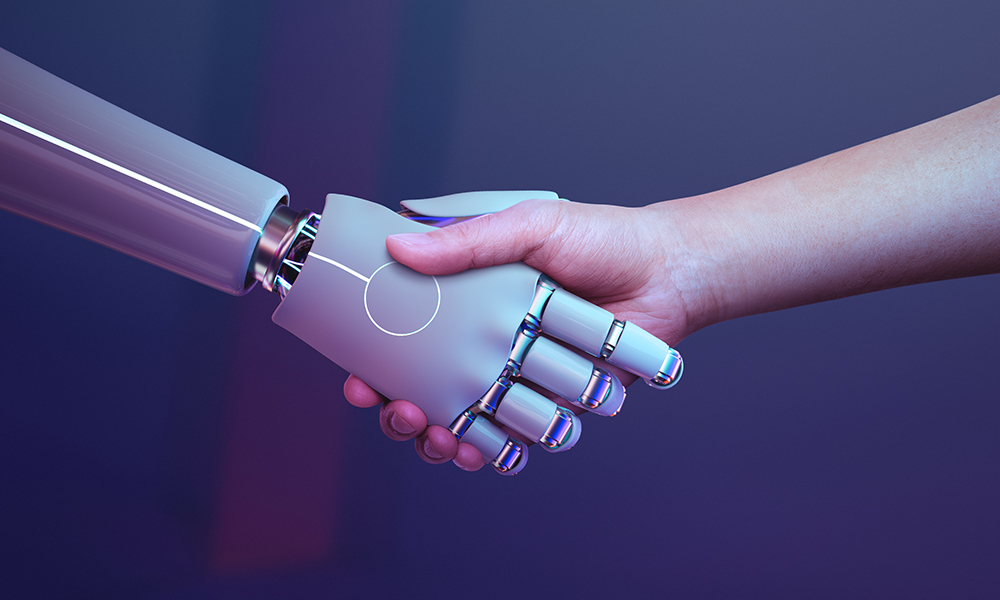
AI isn’t coming it’s already here. From ChatGPTs in class assignments to algorithm-driven decisions in healthcare, recruitment, and media, artificial intelligence is reshaping how we live and work. But as KPMG notes, with great power comes legal consequences.
What should legal professionals and institutions watch out for?
Five Key Legal Pitfalls of AI and Why They Matter to You
- Different Rules, Different Regions: The EU has rolled out its AI Act, classifying high-risk systems and setting strict obligations. The UK? More hands-off, favoring industry-specific codes. In Kenya, regulation is still emerging but the ripple effects are already here.
- Ethics is Not Optional: AI needs to be explainable, fair, and free from bias. If a system can’t justify how it decided or it reflects real-world discrimination, that’s a legal and reputational red flag.
- Third-Party Blind Spots: Your AI might be safe but what about your supplier’s AI? Whether it’s your IT vendor or payroll provider, you’re responsible for their risks too.
- Data Privacy Still Rules: Even if there’s no AI law yet, personal data must still comply with laws like GDPR and Kenya’s Data Protection Act. That means informed consent, clarity, and transparency aren’t just best practice they’re the law.
- Who Owns What: Can you train an AI on legal memos, client contracts, or classroom papers? It’s complicated. IP laws and bar association rules are still catching up. But one thing is clear: the USIU-Africa Community must tread carefully.
The Opportunity
AI can improve workflows, supercharge research, and help students, staff or faculty do more with less. But it also demands new skillsets and sharper oversight. For students and emerging professionals, this is a chance to become tech-fluent and legally aware a winning combination in tomorrow’s job market.